What Is Wood Art?
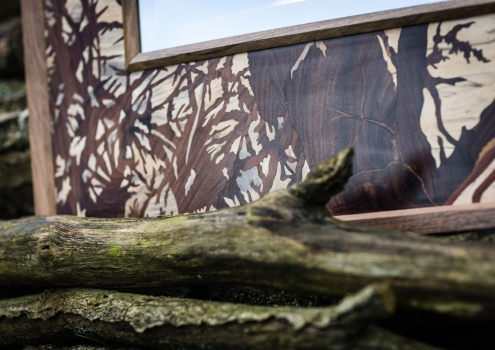
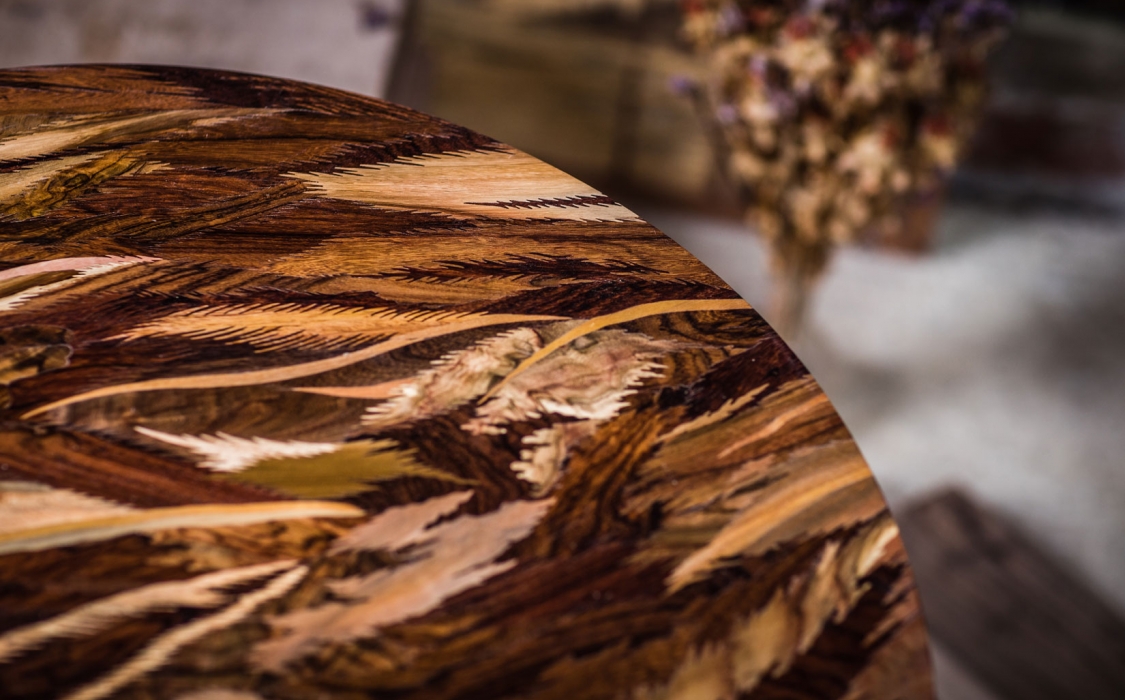
Wood art encompasses a wide range of creative expressions, from intricately carved sculptures to stunningly detailed inlays. This versatile medium allows artists to explore the natural beauty and unique characteristics of wood, transforming it into remarkable works of art, from wood art coffee tables to wood art mirrors. Each piece of wood art reflects the skill and imagination of the artist, bringing to life the innate charm of the material.
The process of creating wood art begins with the careful selection of wood. Artists choose pieces that offer the desired colour, grain, and texture, ensuring that the natural features of the wood enhance the final creation. Whether working with a single type of wood or combining several, the choice of material is crucial to the artistic vision.
Carving is a fundamental technique in wood art. Using a variety of tools, artists shape the wood into forms that can range from abstract designs to realistic representations. The depth and precision of the carving reveal the artist's mastery, with each cut bringing the piece closer to its intended form. The tactile quality of carved wood adds an additional layer of appreciation, inviting viewers to engage with the art through touch.
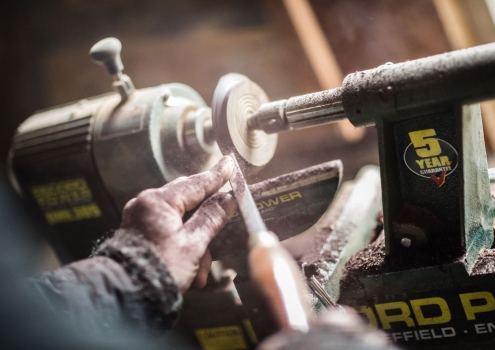
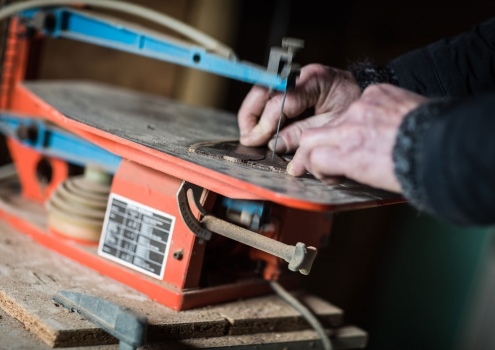
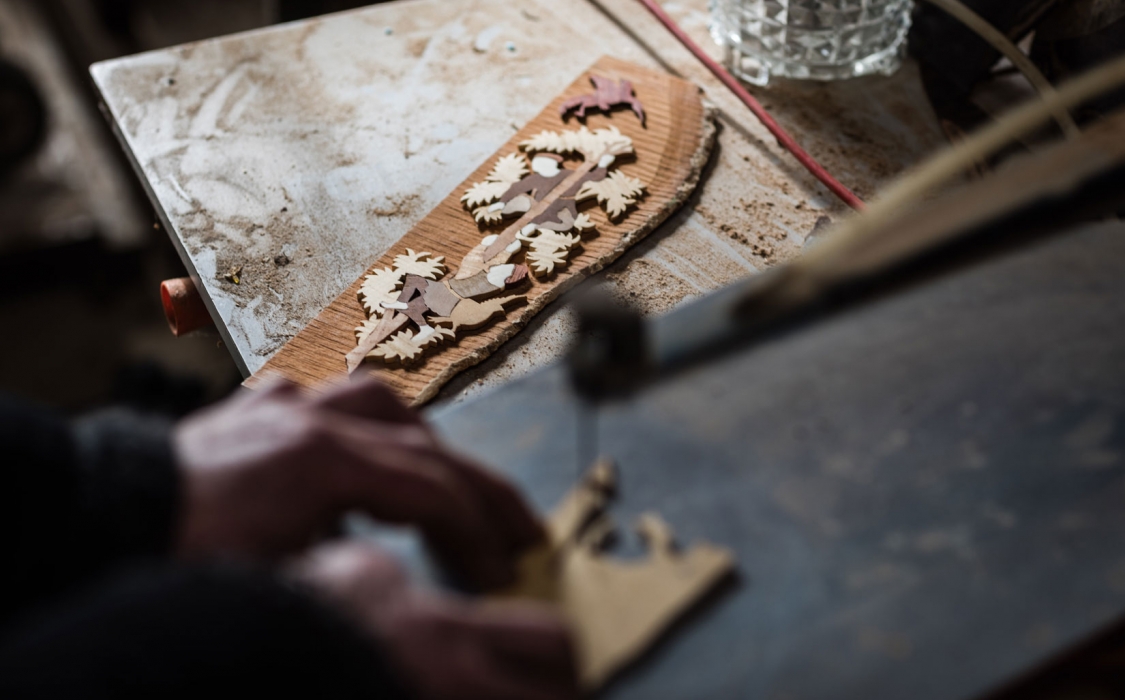
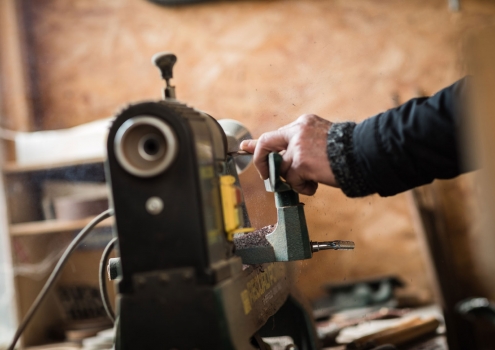
In addition to carving, techniques like pyrography, woodturning, and inlay are commonly used in wood art. Pyrography, or wood burning, involves using a heated tool to create detailed designs on the wood's surface. Woodturning, performed on a lathe, allows artists to create symmetrical shapes such as bowls and vases. Inlay techniques, similar to those used in marquetry and Intarsia, add intricate patterns and contrasting colors to the artwork.
Finishing techniques play a significant role in wood art. Sanding, staining, and applying protective coatings enhance the wood's natural beauty and ensure the longevity of the piece. A well-finished wood artwork not only looks stunning but also withstands the test of time, retaining its luster and appeal for generations.
Wood art is a celebration of the natural world. It captures the essence of the trees from which it is crafted, immortalising their beauty in a form that can be admired and cherished. Through the skilled hands of the artist, wood is transformed from a raw material into a timeless work of art that resonates with the spirit of nature.
A Short History of Wood Art
The history of wood art is as old as civilisation itself. Early humans used wood to create tools, shelters, and decorative objects, recognising its versatility and beauty. The earliest examples of wood art date back thousands of years, with ancient cultures using wood to express their artistic visions and cultural values.
In ancient Egypt, wood was a primary material for crafting furniture, religious artifacts, and decorative items. The Egyptians' skill in woodworking is evident in the intricately carved statues and finely crafted coffins found in their tombs. These early works set the stage for the development of more complex wood art techniques in later civilisations.
The art of wood carving flourished in ancient Greece and Rome. Greek artisans created detailed wooden statues of gods and heroes, while Roman craftsmen used wood to decorate their homes and public buildings. The intricate designs and lifelike sculptures from this period reflect a high level of craftsmanship and artistic achievement.
During the Middle Ages, wood art took on new forms in Europe. Gothic cathedrals featured elaborately carved wooden altars, choir stalls, and ceiling panels. The intricate designs often depicted biblical scenes and saints, showcasing the religious devotion and artistic skills of the craftsmen. This period also saw the rise of guilds, which played a crucial role in preserving and passing down woodworking techniques.
The Renaissance brought a renewed interest in classical art and techniques. Wood artists in Italy and beyond began to experiment with perspective, proportion, and realism, creating stunningly detailed pieces. This era also saw the rise of marquetry and Intarsia, as artists combined different types of wood to create intricate patterns and pictures.
In the 18th and 19th centuries, wood art continued to evolve with the advent of new tools and techniques. The Industrial Revolution introduced powered tools, which allowed for greater precision and complexity in wood carving and turning. At the same time, the Arts and Crafts movement emphasised the value of handcrafted art, leading to a revival of traditional wood art techniques.
Today, wood art is a dynamic and diverse field. Contemporary artists continue to push the boundaries, experimenting with new forms, styles, and materials. Despite technological advancements, the timeless appeal of wood remains, and the rich history of wood art continues to inspire and influence modern creations. The enduring beauty of wood art lies in its ability to connect us with nature and the timeless traditions of craftsmanship.
For all your enquiries please contact
Alardus van den Bosch
Somerset
UK
If you would like to telephone please contact:
Alardus on +44 (0)1749 860450
If you would like to email please contact:
Alardus on vdb@alardus.co.uk
Copyright © 2004-2026 Alardus van den Bosch - All Rights Reserved